Revoke the Radler Trademark
Posted by tomachi on July 29th, 2011 filed in PoliticsOpen letter to IPONZ
To Whom It May Concern,
this is your official warning that your organisation IPONZ is at legal risk. You should never have granted Trademark 700726 and you must now revoke this trademark. It appears to have been mistakenly granted with Trade Mark Non-Convention, WORD, whereas this word Radler is a conventional word, used in common language to describe a generic type of beer.
It is time someonebody - surely the state prosecutor? - should take the commissioner for trademarks to court for allowing the term "Radler" to be trademarked by DB Breweries Ltd? This Trademark should be revoked under section 17 and also section 18 B and D because the term Radler is a term that has become customary in the current language or in the bona fide and established practices of trade.
Please see the relevant sections of NZ Law below:
Trade Marks Act 2002 No 49 (as at 15 December 2005), Public Act
Date registered:
Subpart 2—Absolute grounds for not registering trade mark
17 Absolute grounds for not registering trade mark: general
(1) The Commissioner must not register as a trade mark or part of a trade mark any matter— (a) the use of which would be likely to deceive or cause
confusion; or (b) the use of which is contrary to New Zealand law or would otherwise be disentitled to protection in any
court; or (c) the use or registration of which would, in the opinion
of the Commissioner, be likely to offend a significant
section of the community, including MÄori. (2) The Commissioner must not register a trade mark if the appli-
cation is made in bad faith. (3) Despite subsection (1)(b), the Commissioner may register a
24
trade mark even if use of the trade mark is restricted or pro- hibited under the Smoke-free Environments Act 1990. Compare: 1953 No 66 s 16
Registrability of non-distinctive trade marks
18 Non-distinctive trade mark not registrable
(1) The Commissioner must not register— (a) a sign that is not a trade mark: (b) a trade mark that has no distinctive character: (c) a trade mark that consists only of signs or indications
that may serve, in trade, to designate the kind, quality, quantity, intended purpose, value, geographical origin, time of production of goods or of rendering of services, or other characteristics of goods or services:
(d) a trade mark that consists only of signs or indications that have become customary in the current language or in the bona fide and established practices of trade.
(2) The Commissioner must not refuse to register a trade mark under subsection (1)(b), (c), or (d) if, before the date of appli- cation for registration, as a result of either the use made of it or of any other circumstances, the trade mark has acquired a distinctive character.
Compare: Trade Marks Act 1998 s 7(1)–(3) (Singapore)
Section 18(1)(c): amended, on 15 December 2005, by section 4 of the Trade Marks Amendment Act 2005 (2005 No 116).
Official Record Of Radler Trademark
| Trade Mark Details | |||||||||||||||||||||||||||||||||||||||||||||||||||||||||||||||||||||||||||||||||||||||||||||||||||||||||||||||||||||||||||||||||||||||||||||||||||||||||||||||||||||||||||||||||||||||||||||||||||||||||||||||||||||||||||||||||||||||||||||||||||||||||||||||||||||||||||||||||||||||||||||||||||||||||||||||||||||||||||||||||||||||||||||||||||||||||||||||||
| Trade Mark Number (210) | 700726 Current Status Registered/Under Proceeding | ||||||||||||||||||||||||||||||||||||||||||||||||||||||||||||||||||||||||||||||||||||||||||||||||||||||||||||||||||||||||||||||||||||||||||||||||||||||||||||||||||||||||||||||||||||||||||||||||||||||||||||||||||||||||||||||||||||||||||||||||||||||||||||||||||||||||||||||||||||||||||||||||||||||||||||||||||||||||||||||||||||||||||||||||||||||||||||||||
| TM Search Text | RADLER | ||||||||||||||||||||||||||||||||||||||||||||||||||||||||||||||||||||||||||||||||||||||||||||||||||||||||||||||||||||||||||||||||||||||||||||||||||||||||||||||||||||||||||||||||||||||||||||||||||||||||||||||||||||||||||||||||||||||||||||||||||||||||||||||||||||||||||||||||||||||||||||||||||||||||||||||||||||||||||||||||||||||||||||||||||||||||||||||||
| Trade Mark Type | Trade Mark Non-Convention, WORD | ||||||||||||||||||||||||||||||||||||||||||||||||||||||||||||||||||||||||||||||||||||||||||||||||||||||||||||||||||||||||||||||||||||||||||||||||||||||||||||||||||||||||||||||||||||||||||||||||||||||||||||||||||||||||||||||||||||||||||||||||||||||||||||||||||||||||||||||||||||||||||||||||||||||||||||||||||||||||||||||||||||||||||||||||||||||||||||||||
| Trade Mark Nature | |||||||||||||||||||||||||||||||||||||||||||||||||||||||||||||||||||||||||||||||||||||||||||||||||||||||||||||||||||||||||||||||||||||||||||||||||||||||||||||||||||||||||||||||||||||||||||||||||||||||||||||||||||||||||||||||||||||||||||||||||||||||||||||||||||||||||||||||||||||||||||||||||||||||||||||||||||||||||||||||||||||||||||||||||||||||||||||||||
| Use Statement | (i) being used by the proprietor(s), (being the applicant) | ||||||||||||||||||||||||||||||||||||||||||||||||||||||||||||||||||||||||||||||||||||||||||||||||||||||||||||||||||||||||||||||||||||||||||||||||||||||||||||||||||||||||||||||||||||||||||||||||||||||||||||||||||||||||||||||||||||||||||||||||||||||||||||||||||||||||||||||||||||||||||||||||||||||||||||||||||||||||||||||||||||||||||||||||||||||||||||||||
 |
|||||||||||||||||||||||||||||||||||||||||||||||||||||||||||||||||||||||||||||||||||||||||||||||||||||||||||||||||||||||||||||||||||||||||||||||||||||||||||||||||||||||||||||||||||||||||||||||||||||||||||||||||||||||||||||||||||||||||||||||||||||||||||||||||||||||||||||||||||||||||||||||||||||||||||||||||||||||||||||||||||||||||||||||||||||||||||||||||
| Filed (220) | 02-SEP-2003 | ||||||||||||||||||||||||||||||||||||||||||||||||||||||||||||||||||||||||||||||||||||||||||||||||||||||||||||||||||||||||||||||||||||||||||||||||||||||||||||||||||||||||||||||||||||||||||||||||||||||||||||||||||||||||||||||||||||||||||||||||||||||||||||||||||||||||||||||||||||||||||||||||||||||||||||||||||||||||||||||||||||||||||||||||||||||||||||||||
| Renewed Until | 02-SEP-2013 | ||||||||||||||||||||||||||||||||||||||||||||||||||||||||||||||||||||||||||||||||||||||||||||||||||||||||||||||||||||||||||||||||||||||||||||||||||||||||||||||||||||||||||||||||||||||||||||||||||||||||||||||||||||||||||||||||||||||||||||||||||||||||||||||||||||||||||||||||||||||||||||||||||||||||||||||||||||||||||||||||||||||||||||||||||||||||||||||||
|
|||||||||||||||||||||||||||||||||||||||||||||||||||||||||||||||||||||||||||||||||||||||||||||||||||||||||||||||||||||||||||||||||||||||||||||||||||||||||||||||||||||||||||||||||||||||||||||||||||||||||||||||||||||||||||||||||||||||||||||||||||||||||||||||||||||||||||||||||||||||||||||||||||||||||||||||||||||||||||||||||||||||||||||||||||||||||||||||||
| Marks , Device and Device Descriptors (532) | |||||||||||||||||||||||||||||||||||||||||||||||||||||||||||||||||||||||||||||||||||||||||||||||||||||||||||||||||||||||||||||||||||||||||||||||||||||||||||||||||||||||||||||||||||||||||||||||||||||||||||||||||||||||||||||||||||||||||||||||||||||||||||||||||||||||||||||||||||||||||||||||||||||||||||||||||||||||||||||||||||||||||||||||||||||||||||||||||
| RADLER | |||||||||||||||||||||||||||||||||||||||||||||||||||||||||||||||||||||||||||||||||||||||||||||||||||||||||||||||||||||||||||||||||||||||||||||||||||||||||||||||||||||||||||||||||||||||||||||||||||||||||||||||||||||||||||||||||||||||||||||||||||||||||||||||||||||||||||||||||||||||||||||||||||||||||||||||||||||||||||||||||||||||||||||||||||||||||||||||||
|
|||||||||||||||||||||||||||||||||||||||||||||||||||||||||||||||||||||||||||||||||||||||||||||||||||||||||||||||||||||||||||||||||||||||||||||||||||||||||||||||||||||||||||||||||||||||||||||||||||||||||||||||||||||||||||||||||||||||||||||||||||||||||||||||||||||||||||||||||||||||||||||||||||||||||||||||||||||||||||||||||||||||||||||||||||||||||||||||||
| Documents | |||||||||||||||||||||||||||||||||||||||||||||||||||||||||||||||||||||||||||||||||||||||||||||||||||||||||||||||||||||||||||||||||||||||||||||||||||||||||||||||||||||||||||||||||||||||||||||||||||||||||||||||||||||||||||||||||||||||||||||||||||||||||||||||||||||||||||||||||||||||||||||||||||||||||||||||||||||||||||||||||||||||||||||||||||||||||||||||||
| No documents on record or public access is restricted | |||||||||||||||||||||||||||||||||||||||||||||||||||||||||||||||||||||||||||||||||||||||||||||||||||||||||||||||||||||||||||||||||||||||||||||||||||||||||||||||||||||||||||||||||||||||||||||||||||||||||||||||||||||||||||||||||||||||||||||||||||||||||||||||||||||||||||||||||||||||||||||||||||||||||||||||||||||||||||||||||||||||||||||||||||||||||||||||||
|
|||||||||||||||||||||||||||||||||||||||||||||||||||||||||||||||||||||||||||||||||||||||||||||||||||||||||||||||||||||||||||||||||||||||||||||||||||||||||||||||||||||||||||||||||||||||||||||||||||||||||||||||||||||||||||||||||||||||||||||||||||||||||||||||||||||||||||||||||||||||||||||||||||||||||||||||||||||||||||||||||||||||||||||||||||||||||||||||||
| Proprietor: (730) | DB BREWERIES LIMITED . Corner of Great South Road and Bairds Road, Otahuhu, Auckland, New Zealand | ||||||||||||||||||||||||||||||||||||||||||||||||||||||||||||||||||||||||||||||||||||||||||||||||||||||||||||||||||||||||||||||||||||||||||||||||||||||||||||||||||||||||||||||||||||||||||||||||||||||||||||||||||||||||||||||||||||||||||||||||||||||||||||||||||||||||||||||||||||||||||||||||||||||||||||||||||||||||||||||||||||||||||||||||||||||||||||||||
|
|||||||||||||||||||||||||||||||||||||||||||||||||||||||||||||||||||||||||||||||||||||||||||||||||||||||||||||||||||||||||||||||||||||||||||||||||||||||||||||||||||||||||||||||||||||||||||||||||||||||||||||||||||||||||||||||||||||||||||||||||||||||||||||||||||||||||||||||||||||||||||||||||||||||||||||||||||||||||||||||||||||||||||||||||||||||||||||||||
| Contact : (740) | SIMPSON GRIERSON . 88 Shortland Street, Auckland, New Zealand | ||||||||||||||||||||||||||||||||||||||||||||||||||||||||||||||||||||||||||||||||||||||||||||||||||||||||||||||||||||||||||||||||||||||||||||||||||||||||||||||||||||||||||||||||||||||||||||||||||||||||||||||||||||||||||||||||||||||||||||||||||||||||||||||||||||||||||||||||||||||||||||||||||||||||||||||||||||||||||||||||||||||||||||||||||||||||||||||||
|
|||||||||||||||||||||||||||||||||||||||||||||||||||||||||||||||||||||||||||||||||||||||||||||||||||||||||||||||||||||||||||||||||||||||||||||||||||||||||||||||||||||||||||||||||||||||||||||||||||||||||||||||||||||||||||||||||||||||||||||||||||||||||||||||||||||||||||||||||||||||||||||||||||||||||||||||||||||||||||||||||||||||||||||||||||||||||||||||||
| Service Address: | 88 Shortland Street, Auckland, New Zealand | ||||||||||||||||||||||||||||||||||||||||||||||||||||||||||||||||||||||||||||||||||||||||||||||||||||||||||||||||||||||||||||||||||||||||||||||||||||||||||||||||||||||||||||||||||||||||||||||||||||||||||||||||||||||||||||||||||||||||||||||||||||||||||||||||||||||||||||||||||||||||||||||||||||||||||||||||||||||||||||||||||||||||||||||||||||||||||||||||
|
|||||||||||||||||||||||||||||||||||||||||||||||||||||||||||||||||||||||||||||||||||||||||||||||||||||||||||||||||||||||||||||||||||||||||||||||||||||||||||||||||||||||||||||||||||||||||||||||||||||||||||||||||||||||||||||||||||||||||||||||||||||||||||||||||||||||||||||||||||||||||||||||||||||||||||||||||||||||||||||||||||||||||||||||||||||||||||||||||
| Related Trade Marks | |||||||||||||||||||||||||||||||||||||||||||||||||||||||||||||||||||||||||||||||||||||||||||||||||||||||||||||||||||||||||||||||||||||||||||||||||||||||||||||||||||||||||||||||||||||||||||||||||||||||||||||||||||||||||||||||||||||||||||||||||||||||||||||||||||||||||||||||||||||||||||||||||||||||||||||||||||||||||||||||||||||||||||||||||||||||||||||||||
| No Related Trade Marks found | |||||||||||||||||||||||||||||||||||||||||||||||||||||||||||||||||||||||||||||||||||||||||||||||||||||||||||||||||||||||||||||||||||||||||||||||||||||||||||||||||||||||||||||||||||||||||||||||||||||||||||||||||||||||||||||||||||||||||||||||||||||||||||||||||||||||||||||||||||||||||||||||||||||||||||||||||||||||||||||||||||||||||||||||||||||||||||||||||
|
|||||||||||||||||||||||||||||||||||||||||||||||||||||||||||||||||||||||||||||||||||||||||||||||||||||||||||||||||||||||||||||||||||||||||||||||||||||||||||||||||||||||||||||||||||||||||||||||||||||||||||||||||||||||||||||||||||||||||||||||||||||||||||||||||||||||||||||||||||||||||||||||||||||||||||||||||||||||||||||||||||||||||||||||||||||||||||||||||
| Objection Type | Lodged On | ||||||||||||||||||||||||||||||||||||||||||||||||||||||||||||||||||||||||||||||||||||||||||||||||||||||||||||||||||||||||||||||||||||||||||||||||||||||||||||||||||||||||||||||||||||||||||||||||||||||||||||||||||||||||||||||||||||||||||||||||||||||||||||||||||||||||||||||||||||||||||||||||||||||||||||||||||||||||||||||||||||||||||||||||||||||||||||||||
| Challenge | 16-SEP-2009 | ||||||||||||||||||||||||||||||||||||||||||||||||||||||||||||||||||||||||||||||||||||||||||||||||||||||||||||||||||||||||||||||||||||||||||||||||||||||||||||||||||||||||||||||||||||||||||||||||||||||||||||||||||||||||||||||||||||||||||||||||||||||||||||||||||||||||||||||||||||||||||||||||||||||||||||||||||||||||||||||||||||||||||||||||||||||||||||||||
| Challenge | 05-MAY-2009 | ||||||||||||||||||||||||||||||||||||||||||||||||||||||||||||||||||||||||||||||||||||||||||||||||||||||||||||||||||||||||||||||||||||||||||||||||||||||||||||||||||||||||||||||||||||||||||||||||||||||||||||||||||||||||||||||||||||||||||||||||||||||||||||||||||||||||||||||||||||||||||||||||||||||||||||||||||||||||||||||||||||||||||||||||||||||||||||||||
| Challenge | 16-SEP-2009 | ||||||||||||||||||||||||||||||||||||||||||||||||||||||||||||||||||||||||||||||||||||||||||||||||||||||||||||||||||||||||||||||||||||||||||||||||||||||||||||||||||||||||||||||||||||||||||||||||||||||||||||||||||||||||||||||||||||||||||||||||||||||||||||||||||||||||||||||||||||||||||||||||||||||||||||||||||||||||||||||||||||||||||||||||||||||||||||||||
|
|||||||||||||||||||||||||||||||||||||||||||||||||||||||||||||||||||||||||||||||||||||||||||||||||||||||||||||||||||||||||||||||||||||||||||||||||||||||||||||||||||||||||||||||||||||||||||||||||||||||||||||||||||||||||||||||||||||||||||||||||||||||||||||||||||||||||||||||||||||||||||||||||||||||||||||||||||||||||||||||||||||||||||||||||||||||||||||||||
| Last Renewed By | |||||||||||||||||||||||||||||||||||||||||||||||||||||||||||||||||||||||||||||||||||||||||||||||||||||||||||||||||||||||||||||||||||||||||||||||||||||||||||||||||||||||||||||||||||||||||||||||||||||||||||||||||||||||||||||||||||||||||||||||||||||||||||||||||||||||||||||||||||||||||||||||||||||||||||||||||||||||||||||||||||||||||||||||||||||||||||||||||
| No renewal interest on record or public access is restricted | |||||||||||||||||||||||||||||||||||||||||||||||||||||||||||||||||||||||||||||||||||||||||||||||||||||||||||||||||||||||||||||||||||||||||||||||||||||||||||||||||||||||||||||||||||||||||||||||||||||||||||||||||||||||||||||||||||||||||||||||||||||||||||||||||||||||||||||||||||||||||||||||||||||||||||||||||||||||||||||||||||||||||||||||||||||||||||||||||
|
|||||||||||||||||||||||||||||||||||||||||||||||||||||||||||||||||||||||||||||||||||||||||||||||||||||||||||||||||||||||||||||||||||||||||||||||||||||||||||||||||||||||||||||||||||||||||||||||||||||||||||||||||||||||||||||||||||||||||||||||||||||||||||||||||||||||||||||||||||||||||||||||||||||||||||||||||||||||||||||||||||||||||||||||||||||||||||||||||
| Proprietor & Licensee History | |||||||||||||||||||||||||||||||||||||||||||||||||||||||||||||||||||||||||||||||||||||||||||||||||||||||||||||||||||||||||||||||||||||||||||||||||||||||||||||||||||||||||||||||||||||||||||||||||||||||||||||||||||||||||||||||||||||||||||||||||||||||||||||||||||||||||||||||||||||||||||||||||||||||||||||||||||||||||||||||||||||||||||||||||||||||||||||||||
| No proprietors nor licensees on record or public access is restricted | |||||||||||||||||||||||||||||||||||||||||||||||||||||||||||||||||||||||||||||||||||||||||||||||||||||||||||||||||||||||||||||||||||||||||||||||||||||||||||||||||||||||||||||||||||||||||||||||||||||||||||||||||||||||||||||||||||||||||||||||||||||||||||||||||||||||||||||||||||||||||||||||||||||||||||||||||||||||||||||||||||||||||||||||||||||||||||||||||
|
|||||||||||||||||||||||||||||||||||||||||||||||||||||||||||||||||||||||||||||||||||||||||||||||||||||||||||||||||||||||||||||||||||||||||||||||||||||||||||||||||||||||||||||||||||||||||||||||||||||||||||||||||||||||||||||||||||||||||||||||||||||||||||||||||||||||||||||||||||||||||||||||||||||||||||||||||||||||||||||||||||||||||||||||||||||||||||||||||
|
|
|||||||||||||||||||||||||||||||||||||||||||||||||||||||||||||||||||||||||||||||||||||||||||||||||||||||||||||||||||||||||||||||||||||||||||||||||||||||||||||||||||||||||||||||||||||||||||||||||||||||||||||||||||||||||||||||||||||||||||||||||||||||||||||||||||||||||||||||||||||||||||||||||||||||||||||||||||||||||||||||||||||||||||||||||||||||||||||||||
|
|||||||||||||||||||||||||||||||||||||||||||||||||||||||||||||||||||||||||||||||||||||||||||||||||||||||||||||||||||||||||||||||||||||||||||||||||||||||||||||||||||||||||||||||||||||||||||||||||||||||||||||||||||||||||||||||||||||||||||||||||||||||||||||||||||||||||||||||||||||||||||||||||||||||||||||||||||||||||||||||||||||||||||||||||||||||||||||||||

Driverless Cars
Posted by tomachi on June 25th, 2011 filed in TechnologyI hope this isn't seen as scraping but I found this awesome piece of content written by users of Slashdot that I wanted to reproduce the original thread is here:
can't take revenge against a computer (Score:4, Insightful)
I've said it before, and I'll say it again. You can't take revenge against a computer. A human being killed is a-ok with most people as long as you can take revenge.
Re:can't take revenge against a computer (Score:5, Insightful)
by Anonymous Coward on Sunday April 03, @03:54AM (#35693760)That's not what people fear. It's the perceived lack of control, even if automated driving is statistically more safe. Same with nuclear energy paranoia.
Re:can't take revenge against a computer (Score:5, Interesting)
I've been saying the same thing for years. The driverless car will never catch on because people want to be in control. I'm still amazed we have autopilots landing aircraft. Granted the pilot is paying attention at all times (or should be) and is ready to take control in case of a malfunction. For driverless cars the dream is that you can read the newspaper while going to work. But the reality is, that even if your car is driving itself, you should still be there to take over in case something malfunctions. If you have to pay attention anyway, you might as well be driving.--Anthropic principle: We see the universe the way it is because if it were different we would not be here to see it.
Why?
Chances are pretty good that me paying attention ready to take over at any second will result in me taking over and causing a crash that would not have otherwise happened more often than I save the day. So I'm actually decreasing the safety level.
Re:can't take revenge against a computer (Score:5, Insightful)
I've been saying the same thing for years. The driverless car will never catch on because people want to be in control. I'm still amazed we have autopilots landing aircraft. Granted the pilot is paying attention at all times (or should be) and is ready to take control in case of a malfunction. For driverless cars the dream is that you can read the newspaper while going to work. But the reality is, that even if your car is driving itself, you should still be there to take over in case something malfunctions. If you have to pay attention anyway, you might as well be driving.
Autopilot landing is EASY. You have a stationary runway, known wind, ground velocity, altitude, weather conditions,etc. Also the airplane is in the air, surrounded by nothing for miles unless the air traffic controller messes up. Even autopilot landing a fighter jet on a carrier in choppy seas is more predictable than driving a car in traffic.
A car is surrounded by obstacles on all sides, some stationary others in motion, it has to obey laws, traffic signals, and must adapt to unknown weather and road conditions. Most people don't give it a second thought in a car, but I can promise you nothing ruins a bright, warm day of motorcycle riding faster than hitting gravel in a turn.
This push towards automating driving is yet another attempt to nerf the entire world. Doomed to failure, but that won't stop the "visionaries." They should instead of focusing on having much better driving schools, much more stringent driving exams and recurring examinations. I find it ridiculous that having passed two laughable exams, I can now drive my car and ride my bike FOR THE REST OF MY LIFE (or at least for the next 50 years) without any retest.
Granted, some people will fail more difficult driving exams, and I'm ok with that even if I fail myself. They lack the hand-eye coordination required to be in control of a multi tonne vehicle, and should not be on the road. They can ride the bus, take a cab or walk. I'm not being facetious, I truly mean it. The day I fail a driving exam is the day I stop driving, at least until I can successfully retake it (and there should be a limit on retests too). :)))
Re:can't take revenge against a computer (Score:5, Interesting)
This push towards automating driving is yet another attempt to nerf the entire world. Doomed to failure, but that won't stop the "visionaries." They should instead of focusing on having much better driving schools, much more stringent driving exams and recurring examinations. (...) Granted, some people will fail more difficult driving exams, and I'm ok with that even if I fail myself. They lack the hand-eye coordination required to be in control of a multi tonne vehicle, and should not be on the road. They can ride the bus, take a cab or walk. I'm not being facetious, I truly mean it.
Bus? Not available.
Cab? Too expensive.
Walk? Too far.Let's face it, many people are completely dependent on having a car. Even if you tell them to rewrite their lives to be car free - possibly abandoning childhood homes, neighbors and local communities - there are many things that are completely dependent on having a car. There'll never be any public transport to take you up to your mountain cabin for the weekend and the taxi driver would charge you a small fortune for it. You can of course say "don't do those things" but that's a really crappy solution to the people you want to take it away from. Particularly for many elderly the car is a lifeline for getting around, losing their license and being "stuck" in their apartment is one of the saddest day in their sunset years. Given the alternatives, I can understand the "You can pry it from my cold, dead fingers" attitude many have to their driver's license.
If there is to be a change of tune, I think it will come from these people. People that know that maaaaaaaybe they shouldn't actually be driving, but they don't feel they have a choice. People that could say "hey, this is enough for me to let me get my groceries and visit my grandkids", who don't give a crap about any loss of manual control - they never really asked for it in the first place. Like a cab, without the cost of a cab and that is your personal space. And commuters, honestly who thinks that is fun driving? Just get in, tell it to go to the office and spend the time doing something else while the computer limps after the tail lights ahead of you. Or just people that don't care, it's a tool to get from A to B and as long as the computer gets you there in roughly the same time that's fine.
Not to mention, driverless cars also enable passengerless cars. The implications of that could be great, like I get off and the car parks itself. I call it and it comes to pick me up - perhaps not even in the same place, I don't need to return to where I parked it. I could drive myself to the airport and it'll go park itself. Or even drive home and wait for me to schedule a pickup. Also things like people that aren't old enough to drive. Deliver your kid to soccer practice? Put him/her in the car, tell it to go drop him off. If they're old enough, maybe even pick them up on their own. Or when you're drunk and can't drive yourself, no more need for "designated drivers" - which nobody wants to be in my experience.
Seriously, driverless cars would be the solution to so many problems that only skilled drivers would never solve and which is pretty much a pipe dream anyway. Most people are just average and the great majority is not going to "throw out" themselves.
--
Tolerance is to let others live like they want. To appease religious fundamentalists is not tolerance, but submission.
How To End The Problem of Cell Phone Theft
Posted by tomachi on May 20th, 2011 filed in PoliticsThis articles assumes the general population of NZ would answer yes to the following, proving this idea to be sound:
Would you appreciate a law that creates an ability for the victim of cellphone theft to setup a process where the receiver of the stolen mobile phone or device is sent a series of automated messages that describe the device as stolen, provides an amnesty from prosecution on return to the police station, and nominal cash reward for doing so?
Rather than blacklist a lost phone at the GSM network level by calling Vodafone / Telecom / 2 Degrees and asking for an IMEI-block placed on the phone -as I did recently with a lost Android phone to prevent the new users from enjoying it - by keeping the phone "alive" and working, it will remain in use, charged, trackable, and messagable. The device is addressable because of it's IMEI number.
So I hereby propose that cellphone theft could theoretically be eliminated purely by the implementation of a few laws, and probably only cost a couple of million to setup:
1. Setup a government level database of IMEI* numbers (unique phone serials) that users can optionally register their device against their name.
2. When the users phone is reported stolen to police, this also gets recorded in the same database.
3. A law is passed that forces telecoms companies to alter the behaviour of this phone to make it useless to the theif from that point on.
New Phone Behaviour When Stolen
When the stolen phone is wiped, has a new SIM inserted, and activated, the telecoms network will be forced by law to send a series of txt messages informing the user that the phone has been reported stolen and should be returned to the nearest NZ police station, or  embassy. Once returned to the true owner, the database is updated and the messages stop. At the same time, authorities can be alerted to geo-locate the device and arrest the person if possible if they continue to use the phone.
The messages would be sent daily at a randomised hour of the day and would read something like this:
This phone has been registered as stolen on the police mobile device anti-theft database. Please return it to the nearest NZ Police station to receive automatic immunity and avoid prosecution for receiving stolen property. Your location is currently being tracked.
Registration
Two forms of registation should be available, mainly because the first "easy" kind could be completely automated and not really tie up any additional police time. The second and harder kind would create extra work for cops in police stations sighting IDs and working with the system, providing forgotten passwords etc.
- Easy registration via auto-sensing of IMEI from phone network and SMS TXT based reply prompts to "lock in" your record in the national anti-theft database (registering). The user now has a login to a profile that they can use to change the status of the phone: normal, change owner, lost, stolen, delete registration etc.
- Harder registration via using photo ID at a police station when recording your IMEI number. This method is needed also for post-theft input of IMEI number assuming you kept a copy of this (you can get yours by entering *#06# send), and also for claiming back a locked in database entry say if you buy and sell the phone, but the old owner will not unregister themselves. This method also enables users who had no idea all of this was possible to force the police to force the telecoms company to give out your old IMEI number, so that it can be post-registered by a sworn officer or justice of the peace.
- Auto txt sent to un-registered phones every 6 months by network to remind / advise new roaming phones of the anti-theft law, and the benefits of registering.
- Auto txt sent to registered phone when new SIM inserted to advise the phone is registered on anti-theft database.
Whether or not the true owner of the phone is in possession of the phone at the time of registration is not entirely important, the system is relatively secure to abuse. Having physical access to the phone will make registration faster. Most people would likely opt for post-theft registration, which could be offered by police when customers record stolen property.
Even a clever theft who thinks to use the free and easy txt-based registration system just after stealing the phone can be defeated later when the real owner turns up at a police station with ID.. If however, a malicious user was able to physically access the device then he/she could register the phone to themselves. This is not really a problem though, as anyone who has lost access to their phone is already too late for this to help them, unless they know their IMEI to start with.
Activating the Anti-Theft System
Normally you would think a trip to the police station would be required. However, this is off putting for some people, as they know that it could be time consuming to attempt to report a phone stolen. I propose that this system could be architected such that it would be possible for the true owner of the phone to trigger the theft warning system remotely via a computer or another phone, with a special password. If they loose their password, then they would need to rock up to a police station with photo ID, and claim back their record.
Weak points:
- Requires a fair amount of complex back end databases, cellular network interconnections, and police staff time to implement.
- Abuse potential: discover somebodys IMEI, register it, then disactivate the  phone. However, this could be mitigated by the fact that the true owner could present at a police station with ID to unlock the phone again.
- How to deal with civil disputes, say a second hand trade of a phone where the previous owner was not fully paid, nor gave back the account.

File under:
phone anti theft
how to trace a stolen phone
how to find a stolen phone
how to find stolen phone
how to unblock a phone reported lost
theft mobile
cell phone lost
stolen phone
cell phones
lost cell phone
Volvox Algae Cell Pictures
Posted by tomachi on May 18th, 2011 filed in ScienceThis is a picture of Volvox... which is a genus of chlorophytes, a type of green algae! It forms spherical colonies of up to 50,000 cells. OK so maybe that doesn't sound too exciting, but take another look at the picture - this is the most clear picture I have ever seen of a microbe, it just seems so crisp (OK I thought it was a single microbe when I first saw it). Actually the reason it looks like this is that Volvox is actually colonies of algae, lots of little cells joined together. It is kinda cool in that it is a predecessor to multi-celled life in a way.

Volvox
Here are some other cool images..


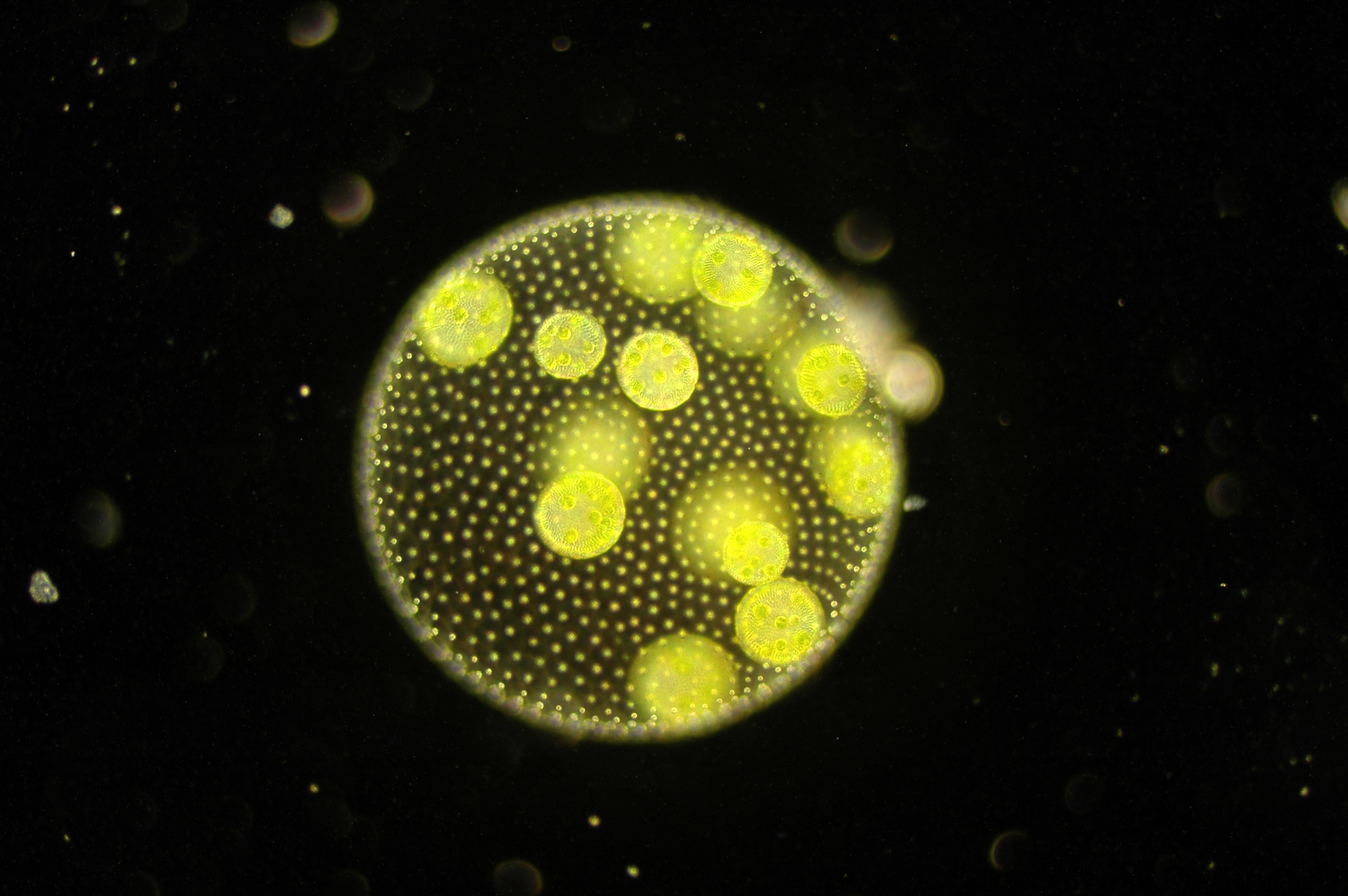
Thanks to Goldstein for this image

Thanks to http://etc.usf.edu/clipart/5900/5905/volvox_1.htm
And now a stunningly beautiful illustration of Volvox Globator, which I found on this page on the Mcgregor Museum site:

Volvox Globator
Volvox Movies
script based vid:
iframe based vid:
Further Reading...hello
Some algae have been hanging together rather than going it alone much longer than previously thought, according to new research.
Ancestors of Volvox algae made the transition from being a single-celled organism to becoming a multicellular colony at least 200 million years ago, during the Triassic Period.
At that time, Earth was a hot-house world whose inhabitants included tree ferns, dinosaurs and early mammals. Previous estimates had suggested Volvox's ancestors arose only 50 million years ago.
Read more from:Â http://www.sciencecentric.com/news/09022059-how-volvox-got-its-groove.html
How to track conversions across browsers, people and into eCommerce and CRMs!
Posted by tomachi on May 10th, 2011 filed in Google AnalyticsMaybe this should be called cross-person conversion tracking, because the problem is normally caused by conversion funnels that traverse across human operators - job recruiter, reservations staff, car rental phone operator etc. Or even pure online companies but which for some reason require a staff member to complete or confirm the applications internally, or even an automated system which completes in the dark after a period when the customer has long since closed their browser window. Cross person tracking helps to see the source of conversion even if someone else carried out the action which triggered the tracking codes to run by a terrible hack of the GA system to pull out the cookie, store it, and return it at the end on the other machine.
Getting Access To the Cookie
Cookies are integral to tracking systems like Google Analytics. However they can't move from the browser that created them which makes it impossible to use them to track "offline" conversions, or deep conversions. An example of a deep conversion is not just when a potential client fills out a contact form, but when a sales rep has actually phoned them back and converted them into a customer. The point of conversion in that case would not lie with the customer it would be the sales rep operating the companies CRM or backend accounting setup to process the order.
So here is my idea: when the first conversion occurs (lead form, booking enquiry etc) and a bunch of stuff is stored in the database with a unique ID and so forth, also grab the Google Analytics cookie and store that against the booking/purchase whatever. You can easily pull this using the cross domain tracking feature which neatly forms a URL-encoded string to grab.
Here is a sample that I just generated to make it really freaking obvious what I'm talking about. The following string was generated by GA (Google Analytics) using the cross domain tracking functions (_link and _linkByPost), and can be used to show that I started my browsing session from the nzs.com web directory (referral) even showing the page I was on.
?__utma=1.1583602386.1305024226.1305024226.1305024226.1&__utmb=1.2.10.1305024226&__utmc=1&__utmx=-&__utmz=1.1305024226.1.1.utmcsr=nzs.com|utmccn=(referral)|utmcmd=referral|utmcct=/site-profile/funk.co.nz/&__utmv=-&__utmk=156442427
So you grab this string on the conversion page, store it in the database alongside the order, call it "GA Cookie". Then you make it so that in your deep conversion page or actual conversion page you dynamically pull out this cookie from the db and have it served alongside the normal tracking of that actual conversion. This effectively turns the the sales reps browser into the customers browser in terms of how GA sees it (sure the browser and screen resolution etc will suddenly change), but most importantly, the Goals and Conversions in the reports will show where the sales came from.
This would allow call centre operator based conversions that occur to be tracked in Google Analytics.
Potential uses: In recruitment. When a potential job seeker signs up and converts using their Safari on Mac say, you store the traffic source cookie during the conversion. Then when the person is say actually placed in a job - many months later in some cases - the recruitment system see's his record being manipulated by the recruitment agent, pulls out the GA cookie string from his db record, appends it to the URL of the status or confirmation page, and triggers a Goal in GA say called "placed". GA will think the conversion was sourced from it's actual source, rather than say http://CompanyInranet/ or where ever that employee used to navigate to the content in his work day (info that's not important basically). This way you can see if different forms of advertising bring in different levels of qualities of candidates. You could compare the performance of Facebook traffic compared with Seek and other job sites, and against Google organic and PPC ads, and make up your mind better about which forms of advertising are working.
Note: the system should probably delete this cookie when it's done since it's effectively like cookie hijacking.
The decline of the nuclear industry
Posted by tomachi on May 8th, 2011 filed in Environment
I was reading an amazingly good press release about the collapse of the nuclear industry at scoop, did some Googling around and found additional evidence for this in part of a wiki about the nuke industry:
The world’s reactor fleet is aging quickly and not enough new units are coming online. As of April 1, 2011, there were 437 nuclear reactors operating in the world, which was seven fewer than in 2002. For the first time, in 2010 total installed nuclear power capacity in the world (375 gigawatts) fell behind aggregate installed capacity (381 GW) of three specific renewables — wind turbines (193 GW), biomass and waste-to-energy plants (65 GW), and solar power (43 GW).
Any so all of this got me interested some more about long term storage of high level nuclear waste - you know the 10,000 year under a mountain stuff. Well that would probably be Yucca mountain in the Nevada desert. Freaky how they reckon it could crack and leak waste after a while say if there was an earthquake. I was fairly surprised when I read - excerpt below - that the US government had done some freaky nuke testing on its own public back in the old days:
At the Hanford Plutonium Production Facility in Washington State, the Department of Energy has admitted releasing 557,000 curies of radioactivity material, mostly Iodine 131 for the years 1944, 1945, 46 and 47. Up to 270,000 men, women and children were exposed as downwinders. Documents released under the Freedom of Information Act, show that biological agents were released upon an unsuspecting public in San Francisco and in the New York subway system during the 1960's.
A quite old piece from Greenpeace I found in their archive shows clearly how contruction looks like it peaked in XYZX and deconstrucions are now picking up nicely:

Here you can see the industry plateau very nicely in this graph from China Dialogue:

A graph from lowcarbonkid, which would be way cooler if it showed some history rather than just starting at 2010:

A video that shows how nuclear, hydro, and coal power work at stations in Onatrio:
http://www.youtube.com/watch?v=LTnfXLws40Q
And now a nice succinct video about Chernobyl to finish: