How to find your phone
Posted by tomachi on April 19th, 2015 filed in Smart phonesInstall these apps before you need them! And configure them as mentioned.
Android
If you haven't here is how to enable google location reporting.
Android Device Manager - If you haven't previously installed the app, head over to the web interface at www.google.com/android/devicemanager anyhow you might have location tracking enabled but not know it.
Google Location History - This site can make cool animated maps showing you were your stolen phone went.

Google Location History
Wheres My Droid - installed this on the phone before you loose it BUT also do the following:
- slightly modify the attention words with !@#$ type symbols
- press the "Email me my attention words" so you can get at the when you most need them
- create memorable attention words for Ring and GPS Location features
- setup white noise siren, flash the flash light, and vibrate etc rings
Apple iOS
Login to icloud.com Find My Phone section. Do this ahead of time before you need it! Make sure you can see and locate all your devices there and test it out a bit.
On your Macs you would need to have enabled the iCloud in your System Preferences beforehand also.

Too Expensive For Kids
Posted by tomachi on April 13th, 2015 filed in PoliticsLooks like humanity just out-evolved itself.

Japan Birth Rate Graph
2015 Linux VPS Hosting in Auckland Price Comparison
Posted by tomachi on April 6th, 2015 filed in UnixThe following is a comparison of prices for entry level Linux VPS virtual servers ideally Auckland or NZ. Target setup is a Linux box running Ubuntu for doing backups, web development, VPNs, and SSH file transfers traffic to Auckland clients. 1 GB mem 1 TB disk 100 GB local transfers as a ball park usage figure. Naturally nobody at all is offering anything close to 1 Terabyte of storage
Auckland:
$10 http://www.vpsnine.com/hosting/index.php 256 MB mem 30 GB disk (RAID-10 w/ multi data centres!)
$19.95 https://www.vpscity.co.nz/ 256 MB Mem Unmetered Local Traffic
$20  https://www.affinity.net.nz/ 512 MB Mem 20 GB Disk
$25 http://rimuhosting.com/order/v2orderstart.jsp 2,239 MB mem 4 GB disk (Sounds nice!)
$33.35Â http://www.openhost.co.nz/linux-vps/ 512 MB mem 5 GB disk
$34.50 http://fullflavour.nz/hosting/virtual-private-servers 1 GB Mem 25 GB Disk
$34.50 http://www.sitehost.co.nz/hosting/virtual-private-servers
$69 http://www.hostpapa.co.nz/web-hosting-plan/vps-hosting/ 1.5 GB Mem 50 GB Disk
$69.95 http://www.webfarm.co.nz/products_vps/ 256 MB Mem 4 GB Disk
POA http://www.hd.net.nz/company/contact-us/Â No pricing info on site probably way over priced therefore
Australian:
$11.68 USDÂ http://aws.amazon.com/ec2/pricing/ 0.6 GB mem t2.micro in Sydney
$21 AUD http://www.exclusivehosting.net/landing/vps-hosting-3/ 1024 Mem 12 GB Disk
International / Cloud Based Providers:
€5 EURO https://www.transip.eu/vps/ PureSSD 1024 MB Mem 50 GB Disk
$7.30 USD https://cloud.google.com/compute/#eu Shared Core f1-micro instance type 0.6 GB Mem
$18.25USD https://cloud.google.com/compute/#eu Shared Core f1-micro instance type 1.7 GB Mem
Helpful facts:Â 8,760 hours per year / 12 = 730 hours in each month on average
Mandelbulber Sequence 01
Posted by tomachi on April 5th, 2015 filed in VisualsTeaching myself how to use Mandelbulber. The image below took about 7 hours to render on my Macbook Pro 13" with 2.8 GHZ quad core.
It's a still from the animation below.

Monstrous 4k res Mandelbulb

4k Mandelbulb Render Reflections set too high
Short 800x600 Render on Youtube:
Animation of the zoom:
If I had more compute power I'd render it at higher resolution and 50 frames per keyframe. Here are the .fract files:
Original Fract File for the animation shown - no specular reflection set
Revised Fract File for the still image  - using 0.5 reflection settings

mandelbulber-takes-a-long-time
Total number of IP addresses in world: 4,294,967,296
Posted by tomachi on March 31st, 2015 filed in RantsSomething that fascinates me about the internet v4 that nobody ever talks about ever - since it's fairly irrelevant so far - is that the ip4 addresses have long ago been allocated. New Zealand got 6,808,480 of them. Interesting!
The top-level exhaustion (I'm calling it an allocation) occurred on 31 January 2011. The regional level allocation exhaustions occurred for the Asia-Pacific on 15 April 2011, for Europe on 14 September 2012, and for Latin America and the Caribbean on 10 June 2014.
More interesting is that China only got China only got 333,593,588 whereas the US got 1,600,312,334 perhaps that can be explained by their use of a giant proxy server hiding all those souls?
So how are we doing? Face melting yet?
So the IP address space exhaustion came and went and nothing happened - a kind of shockwave marking the end of Internet version 4! Here are some of the highlights of the meltdown of IP4:
Core Router Meltdowns

Core Router Meltdown 512k routes
"When the BGP maps grow too large for their routers' memory then" , as the Internet Storm Center said, "BGP is flapping."
"Some routing tables hit 512K routes today. Some old hardware and software can't handle that and either crash or ignore newly learned routes. So this may cause some disturbances in the Force." -Â Teun Vink
Internet 2
Good thing the internet wizards have been deploying the new internet version 6 for the past 20 years or so already. God knows what the hell happened with Internet versions 1, 2, 3, and 5!
Turns out in the time between 2011 and 2015 the new internet got some help from Google! Google wasn't happy that NAT64 didn't work for Skype and Whatsapp etc. So they came up with 464XLAT which is gonna be called IP6 in the new Androids.
...and here comes IP6:
World IP6 graph 1 year


T Mobile US IP6 Deployment
 Harvard Law Internet Map 2014:

Funky Network Diagram:

Total number of IPv4 addresses:Â 4,294,967,296
3,600,384,830Â allocated and assigned
Source:Â https://www.countryipblocks.net/allocation-of-ip-addresses-by-country.php
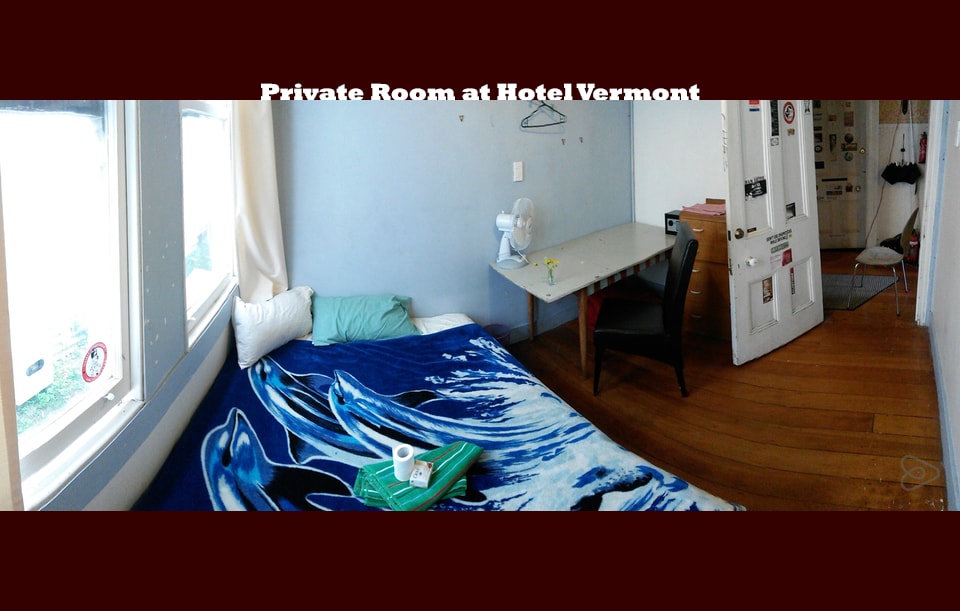
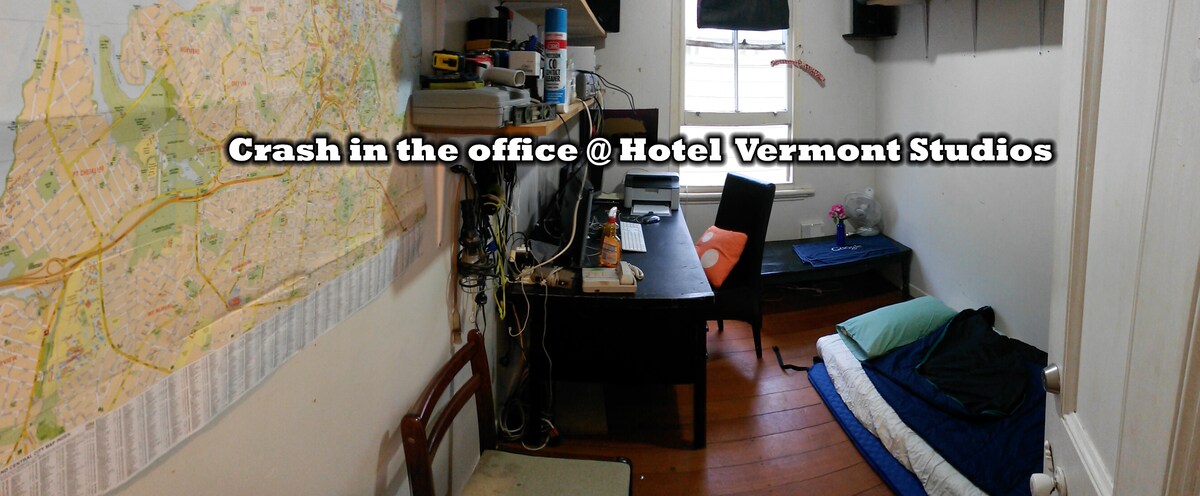
Hotel Vermont Airbnb
Posted by tomachi on February 27th, 2015 filed in BusinessSo yeah I turned my house into a backpackers via Airbnb.